Your Gut’s Not Thirsty... It’s Parched
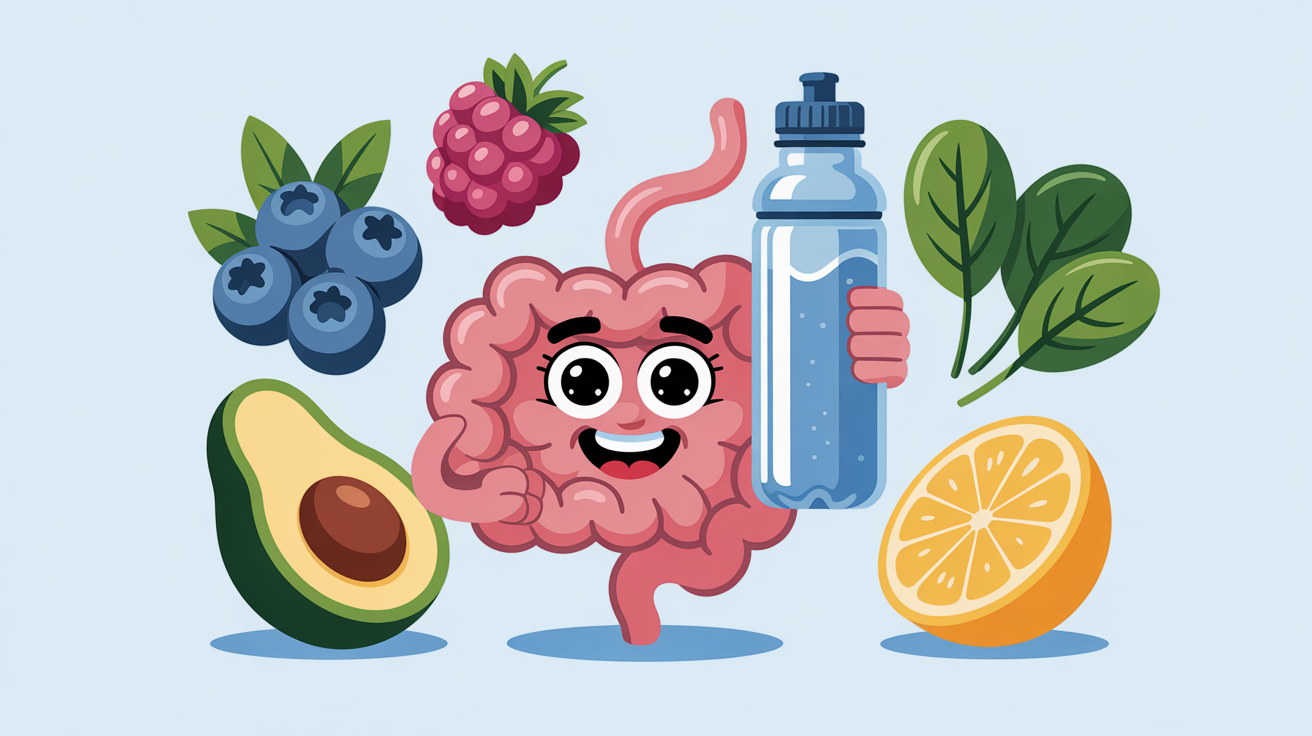
When it comes to gut health, we often talk about fiber, probiotics, and fermented foods. But guess what’s just as important—and often overlooked? Hydration.
That’s right. Water is one of your gut’s best friends. It keeps digestion flowing, supports the protective mucus lining in your intestines, and helps your good gut bacteria thrive. A dehydrated gut? Think sluggish digestion, constipation, bloating, and even poor nutrient absorption.
So if your gut could talk, it wouldn’t ask for more kombucha or kale right now—it’d say: “Please... more water.” Let’s dive into the science of why hydration matters and easy ways to sip your way to a healthier gut.
💧 Why Hydration Is Essential for Gut Health
1. Helps Move Things Along (Literally)
Water is key for breaking down food and keeping things moving through your digestive tract. When you're dehydrated, your colon pulls more water from your waste—hello, constipation.
🚽 Pro tip: Regular water intake = regular bathroom habits = a much happier gut.
2. Supports the Gut Lining
Your intestines are lined with a mucus barrier that protects them from harmful bacteria and inflammation. Water helps maintain this barrier so your gut lining stays strong and resilient.
🛡️ Bonus: This also supports your immune system, which is heavily based in the gut.
3. Feeds Your Gut Microbiome
A well-hydrated digestive tract creates an ideal environment for good gut bacteria to thrive. Without enough water, your microbiome may become imbalanced, leading to issues like bloating, fatigue, and mood swings.
🔬 Fun fact: Studies show hydration affects microbial diversity—hydrated guts have better microbial balance.
🚰 Top Hydration Tips for a Happier Gut


1. Start Your Day with Water, Not Caffeine
Coffee is great, but it's also a diuretic. Drink 8–16 oz of water first thing in the morning to rehydrate after sleep and wake up your digestive system gently.
☀️ Hack: Add a squeeze of lemon or a pinch of sea salt for an electrolyte boost.
2. Hydrate with High-Water Foods
It’s not just what you drink—what you eat matters too. Certain foods are water-rich and help hydrate your gut from the inside out.
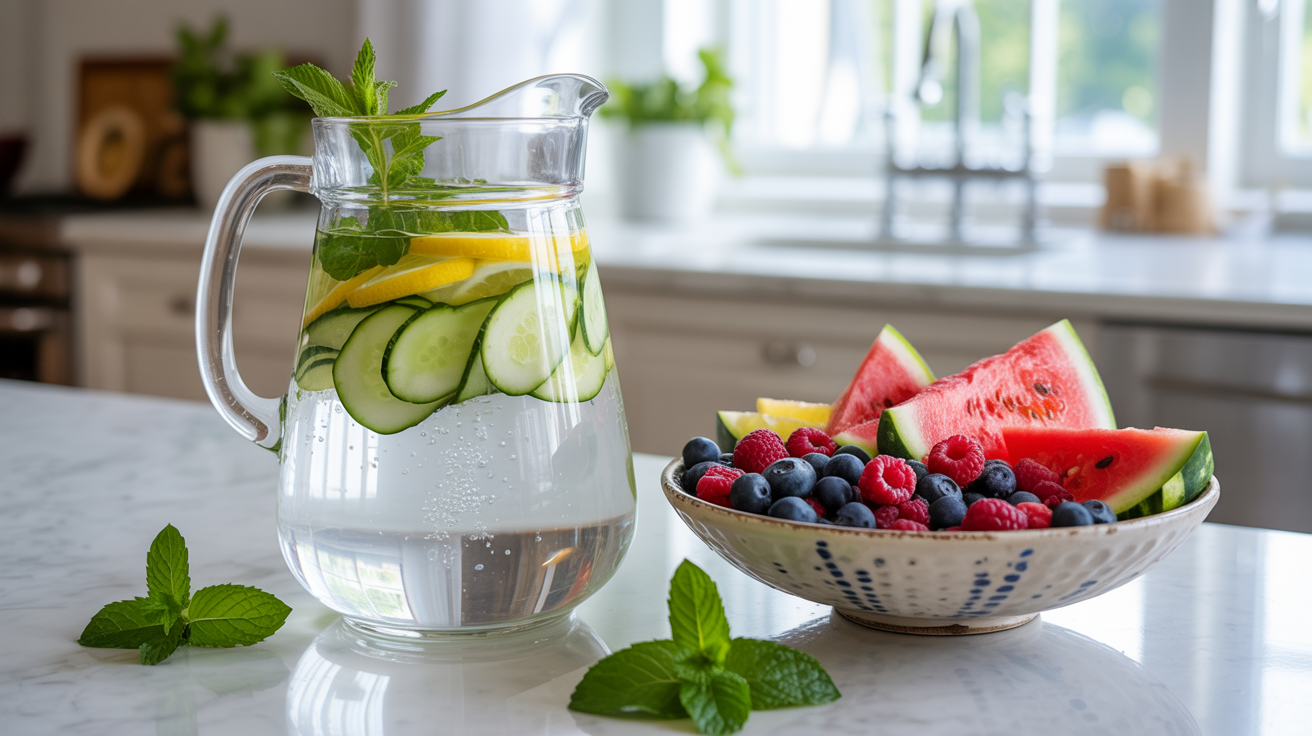
🥒 Top picks: Cucumber, watermelon, celery, oranges, strawberries, and zucchini.
3. Infuse Your Water for Flavor (and Benefits)
If plain water bores you, spice it up! Try infusing with herbs, fruit, or even gut-friendly ingredients.
🍋 Ideas:
- Mint + cucumber = cooling and hydrating
- Lemon + ginger = digestion support
- Berries + basil = antioxidant-rich boost
4. Time Your Sips with Meals (Strategically)
Drinking a bit of water before meals can help digestion by softening food and preparing the stomach lining. Just don’t chug a gallon mid-meal—it can dilute stomach acid.
⏰ Tip: Drink a glass 30 minutes before eating to prep your gut, and sip lightly during your meal.
5. Track Your Intake (Without Overthinking It)
A good rule of thumb is half your body weight in ounces of water per day. So if you weigh 150 lbs, aim for 75 oz.
📱 Use a habit tracker or water bottle with measurements to keep it fun and visual.
Your Gut Is Counting on You to Drink Up
Hydration isn’t just about quenching thirst—it’s about fueling digestion, feeding your microbiome, and protecting your gut lining. A well-hydrated gut helps everything work better, from nutrient absorption to immune function to mood regulation.
So go ahead—treat your gut like the hydration-loving rockstar it is. Pour that water, chop those hydrating veggies, and raise a glass to gut health. 🥂💧